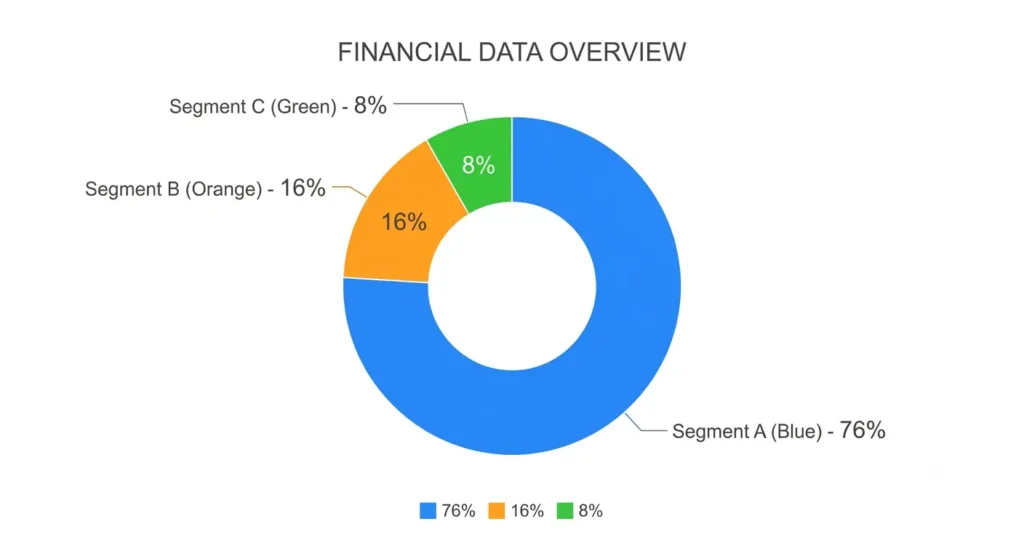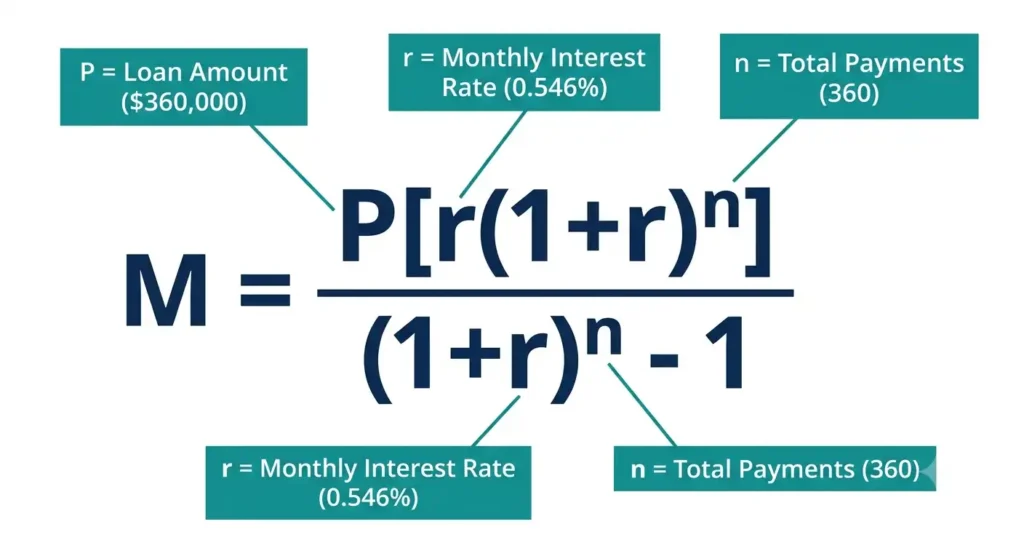
Texas mortgage closing costs run 2% to 5% of your home’s purchase price, averaging about $7,900 in 2026. That covers lender fees, title insurance, and prepaid taxes and insurance, on top of your down payment.
In my years reviewing Texas loan files, that percentage range holds true across most conventional purchases I’ve seen close.
Your exact total still depends on loan type, lender, and closing date, not a fixed number.
What Are Texas Mortgage Closing Costs?
What closing costs actually include
Three buckets: lender fees (underwriting, processing), third-party fees (appraisers, title companies), and prepaid costs (escrow for taxes, insurance). Paid on closing day by wire or cashier’s check. Cash purchases skip lender fees but still owe title, escrow, and recording charges.
Closing costs vs down payment
Down payment buys equity; closing costs pay for the transaction and don’t come back. $300,000 home at 10% down: $30,000 down plus $6,000 to $12,000 closing costs. Earnest money gets credited back at closing, lowering cash needed.
Why Texas is different
State-set title insurance rates, no state real estate transfer tax (unlike New York or Delaware), and county-level customs on who pays the survey. National guides don’t fit Texas. Refinancing later means similar lender and title fees again, usually minus a new survey or owner’s title policy.
How Much Are Closing Costs in Texas?
Typical percentage buyers pay
That average of $7,900 ranks Texas sixth most expensive nationwide, above the national average of roughly $6,087. Total depends on loan program, lender, and prepay timing. A Texas closing costs calculator beats a statewide average.
Example closing costs by home price
| Home Price | Total Closing Costs | Origination Fee | Title Insurance |
|---|---|---|---|
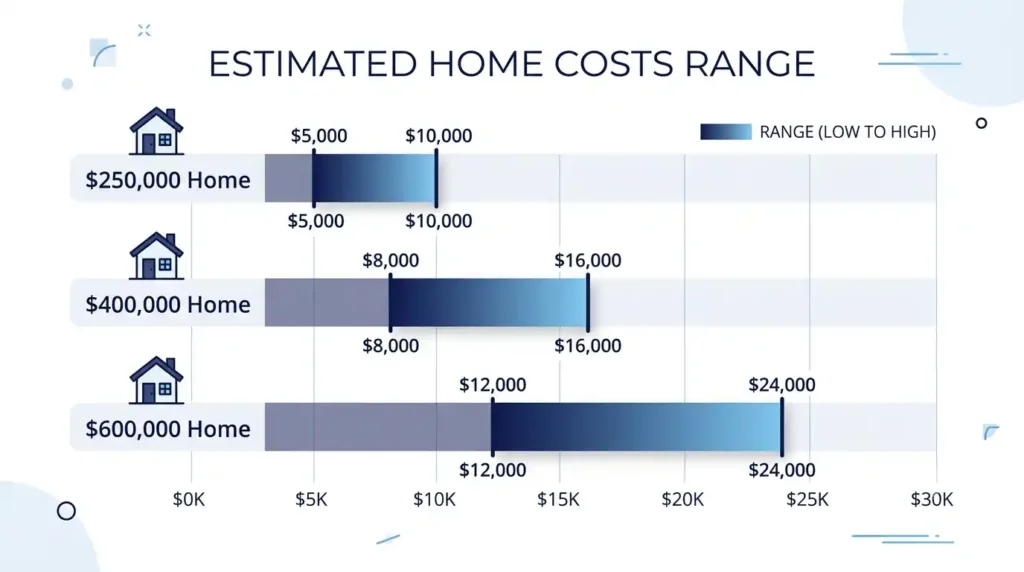
| $250,000 | $5,000 – $10,000 | $1,250 – $2,500 | ~$1,550 |
| $400,000 | $8,000 – $16,000 | scales with loan size | rises with price |
| $600,000 | $12,000 – $24,000 | scales with loan size | rises with price |
$250,000 home
$5,000 to $10,000 total, plus a conventional loan’s 3% to 20% down. Fees: $1,250 to $2,500 origination, ~$1,550 title insurance under TDI’s current rate table, $400 to $700 appraisal and survey.
$400,000 home
$8,000 to $16,000, most conventional 30-year buyers near $8,000 to $10,000. In Tarrant County, a January close can add $7,700 in prepaid taxes at 2.1%; a November close drops that to $1,400.
$600,000 home
$12,000 to $24,000, still 2% to 5% of price. Title insurance and insurance escrow rise with home price. Plan a bigger cash cushion.
Complete Breakdown of Every Texas Closing Cost
Lender fees
Origination: 0.5% to 1% of the loan, or flat $1,500 to $2,000. Underwriting plus processing: $1,500 to $2,500. Discount points: 1% each. Tax service fee: under $100. Under 20% down on a conventional loan adds private mortgage insurance to your monthly payment, not upfront.
Third-party fees
Appraisal $400 to $1,000 (paid upfront). Credit report under $50. Survey $400 to $700 unless the seller’s existing one works. Flood certification: small flat fee. Home inspection (optional, different from appraisal): $300 to $500. HOA transfer plus resale certificate: $200 to $400. Some counties require pest inspection. No Texas attorney requirement at closing.
Title and settlement fees
Title search plus a title commitment listing what must clear first. Settlement fee (sometimes billed as escrow fee) covers managing closing and holding funds. Recording fees to the county clerk: ~$25, covering deed recording. Wire transfers carry a small fee.
Prepaid costs
Two to four months of property taxes into escrow, first year of homeowners insurance, plus prepaid interest for the closing month’s remaining days. Adds $3,000 to $6,000 to cash to close, money you’d pay anyway, just early.
Texas Title Insurance Explained
Owner’s vs lender’s title insurance
The owner’s title policy protects you from issues like a forged deed or old lien. The lender’s title policy only protects the lender. Lenders require theirs; the owner’s title policy is optional but leaves you unprotected if skipped.
Why Texas title insurance is unique
The Texas Department of Insurance (TDI) sets one rate for every company; only the company and service are shoppable. Ask about a reissue rate or a simultaneous issue rate (discount for buying the lender’s title policy alongside the owner’s title policy together). Rates dropped 6.2% as of March 2026 under a new state order. The Office of Public Insurance Counsel (OPIC) handles consumer insurance questions.
Who Pays Closing Costs in Texas?
Costs usually paid by buyers
Loan expenses, prepaid escrow, home inspection, and the lender’s title policy.
Costs commonly paid by sellers
More overall, often 6% to 10% of sale price, mostly agent commissions. Sellers customarily pay the owner’s title policy in most counties (flips in some, like Dallas), plus lien payoffs and recording fees on their old mortgage.
Costs that are negotiable
Seller concessions, often 2% to 3% of purchase price, split by local custom and leverage.
Which Closing Costs Can You Negotiate?
Fees you may reduce
Lender fees. Shop three lenders, compare Loan Estimates, push back on origination and processing. Skip discount points if selling or refinancing soon.
Fees usually not negotiable
Government recording fees, Texas’s regulated title insurance premium, and property taxes are fixed by law.
How lender credits work
Lower upfront costs for a higher rate, trading short-term savings for more interest over time. Best if selling or refinancing within about five years.
Loan Estimate vs Closing Disclosure
Reading a Loan Estimate
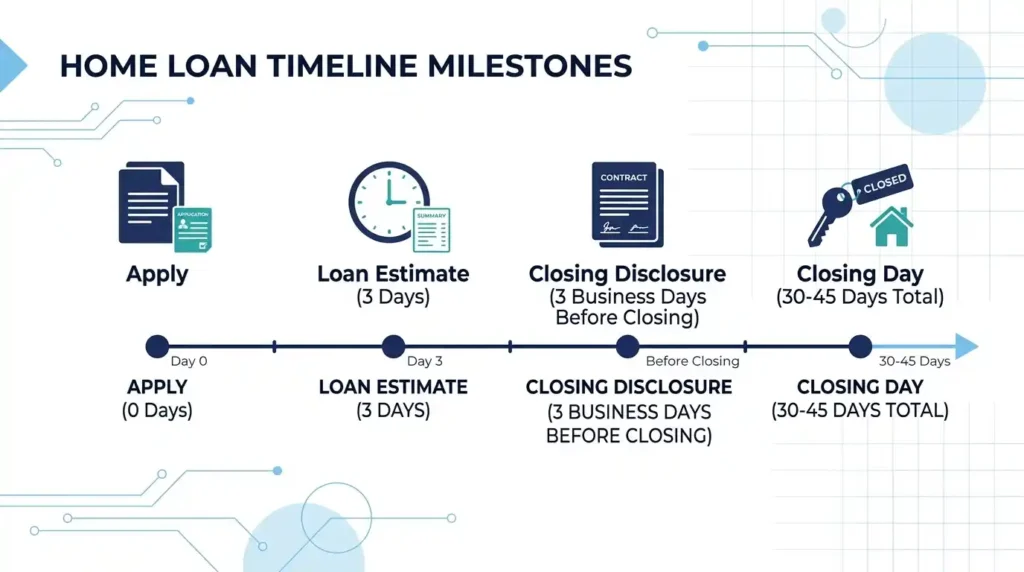
Arrives within three days of applying. Check loan terms, projected monthly payments (principal and interest plus taxes and insurance), closing cost details, and the shopping section.
Reading the Closing Disclosure
Final Closing Disclosure arrives at least three business days before closing and should mirror your Loan Estimate. Both are standardized under the Real Estate Settlement Procedures Act (RESPA), with rules from the Consumer Financial Protection Bureau (CFPB). Fees can shift slightly under tolerance rules; an unexplained jump is a red flag.
Cash to Close Calculator Examples
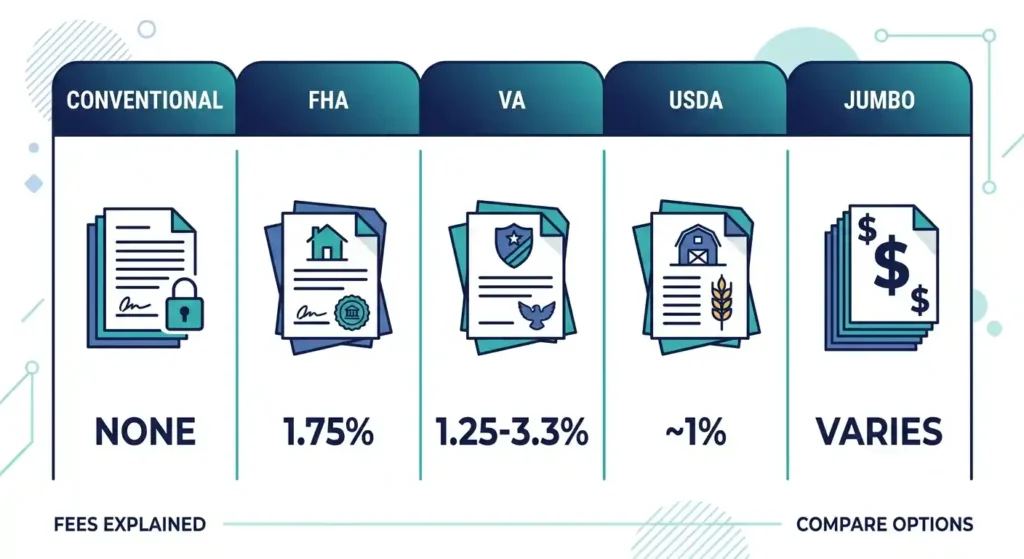
| Loan Type | Upfront Fee/Premium | Down Payment | Note |
|---|---|---|---|
| Conventional | none extra | as low as 3% | $350K example: ~$43,000–$45,000 cash to close |
| FHA | 1.75% upfront MIP | 3.5% | adds ~$6,100 on a $350K loan |
| VA | 1.25%–3.3% funding fee | 0% possible | many disabled veterans exempt |
| USDA | ~1% guarantee fee | 0% | rural properties only |
| Jumbo | scales with loan size | varies | 2%–5% range, higher dollar total |
Conventional loan example
$350,000 purchase, 10% down: $35,000 down plus $8,000 to $10,000 closing costs, cash to close near $43,000 to $45,000, on top of your monthly mortgage payment.
FHA loan example
1.75% upfront mortgage insurance premium adds ~$6,100 on a $350,000 loan; flexible seller concession limits can offset it.
VA loan example
Funding fee 1.25% to 3.3% on a purchase, or 0.5% on a streamline refinance; many disabled veterans exempt. VA caps certain lender fees, usually beating FHA on cash to close. USDA swaps the funding fee for a ~1% guarantee fee, no down payment. Jumbo loans stay in the 2% to 5% range percentage-wise, with a bigger dollar total.
Ways to Reduce Texas Mortgage Closing Costs
Compare multiple lenders
Pull Loan Estimates from three lenders within the same 14-day window; compare APR, not just rate. Confirm your loan officer’s Nationwide Multistate Licensing System (NMLS) number.
Shop for third-party services
Title insurance rates aren’t shoppable, but survey and inspection services are. A seller’s existing survey can save $400 to $700.
Negotiate with the seller
Ask for a seller concession in your offer. Repair credits after inspection also lower cash needed.
Common Mistakes That Cost Texas Buyers Thousands
Focusing only on interest rate
A mistake I’ve watched buyers make often: chasing interest rate while ignoring lender fees. Compare APR, not the headline rate.
Misunderstanding prepaid expenses
Buyers forget prepaid taxes and insurance, then panic at the wire number. Budget for these from day one.
Waiting until closing day
Wire fraud and last-minute scrambles hit buyers who wait. Confirm wire instructions by phone, never email, and read your Closing Disclosure the moment it arrives.
Common Myths About Texas Mortgage Closing Costs
Myth: Closing costs are always 2%
Costs move with home price, loan type, and lender; fixed fees like survey and recording don’t scale with price.
Myth: Every fee is negotiable
Government fees and Texas’s regulated title premiums are fixed by law; only lender fees and third-party choices flex.
Myth: No-closing-cost mortgages are free
Fees get folded into a higher rate, still paid, usually for more total dollars over time.
Texas Mortgage Closing Costs Checklist
Before applying
Save for both down payment and 2% to 5% closing costs, especially useful for a first-time home buyer figuring out how much house you can afford. Pull credit report early, compare three lenders.
Before closing
Read your Closing Disclosure against your Loan Estimate, confirm wire instructions by phone, verify homeowners insurance is active. Texas contracts run 30 to 45 days from signing to funding; a slip means calling your lender and agent to protect your rate lock and earnest money.
Closing day
Bring valid ID and certified funds (cashier’s check or confirmed wire; no personal checks). Review every document and confirm final numbers match your Closing Disclosure.
Frequently Asked Questions
Are closing costs included in the mortgage?
Some programs roll costs into the loan balance, adding long-term interest. Most conventional loans require cash paid separately.
Can the seller pay my closing costs?
Yes, via a negotiated seller concession, capped by loan program based on down payment.
Are closing costs tax deductible?
Prepaid mortgage interest and property taxes are generally deductible in the year paid, only if you itemize. Title insurance, appraisal, and origination fees aren’t, though they may adjust cost basis at sale.
Why did my closing costs change before closing?
Some fees shift within federal tolerance limits; a major unexplained jump is worth a call to your lender. Overcharges beyond tolerance must be refunded within 30 days of closing.
Can I shop for title services in Texas?
Not the premium, since it’s state regulated, but you can choose the title company and ask about a reissue rate discount.
What happens if I don’t have enough cash to close?
Talk to your lender immediately: a larger seller concession, adjusting your loan program, or delaying closing. Waiting too long narrows options.
Key Takeaways
What every Texas homebuyer should remember
Budget 2% to 5% of purchase price for closing costs, on top of your down payment. Shop lender fees hard, time your closing date to minimize prepaid taxes, read every disclosure before signing, and never wire money without confirming instructions by phone first. For more, browse our Texas mortgage basics guides.